

Study In Europe
Why Study in Europe ?
Choosing to study in Europe means gaining access to a world-class education system spread across multiple countries, each offering unique academic strengths. Europe is home to centuries-old universities as well as modern, research-driven institutions. With affordable tuition fees, strong post-study work options, and exposure to multiple cultures, Europe remains a top choice for international students seeking quality education and global mobility.
50
Total Countries
2,600+
Number of Universities
1.6+ million
International Students
200+ languages spoken
Languages
Approx. 84 million
Population
Fall | Spring
Intakes
Student Visa Types
Multiple, depending on country
Key Advantages of Benefits
Affordable Tuition Fees
Many European countries offer low or zero tuition fees at public universities.
Globally Ranked Universities
Europe hosts hundreds of universities featured in global rankings.
Post-study Work Opportunities
Several countries allow international graduates to stay and work after studies.
Cultural & Language Diversity
Experience multiple cultures, traditions, and languages in one region.
Easy Travel Across Countries
Seamless travel within Europe enhances cultural and professional exposure.
Wide Scholarship Options
Government, university, and private scholarships are widely available.
Eligibility Criteria
| Category | Eligibility Requirements |
|---|---|
| Academic Qualifications | Completion of secondary education for undergraduate programmes or a recognised bachelor’s degree for postgraduate programmes. . |
| Language Proficiency | English proficiency (IELTS/TOEFL) or local language requirements depending on country and programme. |
| Entrance Exams | Some programmes may require additional entrance or aptitude tests. |
DocumentsRequired
Students should prepare the following documents while applying:
| Document | Description |
|---|---|
| Completed Application Form | Properly filled and signed university application form. |
| Academic Transcripts & Certificates | Official academic records and certificates from previous institutions. |
| Proof of Language Proficiency | Valid German or English language test scores as required by the programme. |
| Statement of Purpose (SOP) | A written statement explaining academic background, goals, and reasons for choosing the programme. |
| Letters of Recommendation | Recommendation letters from teachers or employers (if required by the university). |
| Valid Passport Copy | A clear copy of a valid passport for identity verification. |
Student Visa Requirements
To study in Canada , international students must apply for a student visa after receiving an offer.
| S.No | Study Permit Requirements |
|---|---|
| 1 | Letter of Acceptance from a recognised Germany institution |
| 2 | Proof of financial resources (blocked account or equivalent) |
| 3 | Valid health insurance coverage |
| 4 | Completed visa application form |
| 5 | Biometric photographs |
| 6 | Valid passport |
Visa requirements vary by country within Europe.
Cost of Studying in Europe
| Expense Category | Estimated Cost (Per Year) |
|---|---|
| Tuition Fees | €0 – €15,000 per year (depending on country and university) |
| Semester Contribution | €700 – €1,200 per month |
| Health Insurance | €300 – €1,000 per year |
Costs may vary based on destination, city, and lifestyle.
Top Universities in Europe
Europe offers excellent study opportunities across multiple countries, including Germany, Ireland, France, Netherlands, Poland, Hungary, Switzerland, Spain, Malta, and the UK.
Scholarships for International Student
European countries provide a wide range of scholarships for international students, including merit-based, need-based, and programme-specific funding supported by governments, universities, and international organisations.
Wow StudyAdmission Process
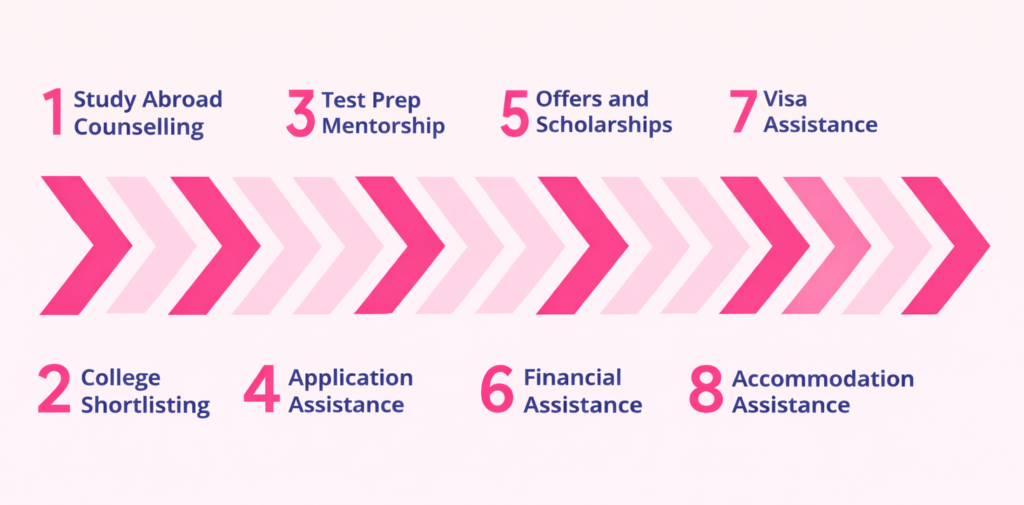
Start Your Europe Study Journey with Wow Study
From course selection to visa approval, Wow Study provides complete guidance and support to help you study in Canada with confidence.
Frequently Asked Questions
Disclaimer: Information may vary by country. Please refer to official university or government websites for the latest updates.